There is a factor cozy lights never ever actually leaves. Styles transform, home outsides develop, rooflines get cleaner, and illumination modern technology keeps enhancing, but that familiar warm radiance still feels right. It softens difficult architectural lines, flatters block and stone, and offers a home a lived-in elegance that cooler tones rarely match. When home owners ask what surface will certainly still look good five or ten years from currently, I almost always come back to the same solution: timeless cozy soft lights.
That solution issues even more when the project involves a Permanent LED Lights Installation Temporary hairs come down. Irreversible systems keep up via every season, every climate change, and every design phase. A long-term setup requires to look deliberate in December, refined in July, and suitable on an ordinary Tuesday night when nobody is celebrating anything at all. Cozy light does that much better than almost any type of various other option.
A lot of people initially come across these systems while shopping for Permanent Holiday Lights, after that understand the real value has less to do with one season and more to do with the year-round look. Once they envision the lights staying on your house full-time, their priorities shift. Flashy colors are fun for occasions. Cozy soft light is what many people in fact wish to live with.
Why cozy light still wins on genuine homes
On paper, lighting options can seem like an issue of preference. In method, they affect how the entire residence reviews from the road. A warm color temperature level, normally somewhere in the reduced Kelvin array, draws out https://outdoorledinstall314.raidersfanteamshop.com/how-long-term-holiday-lighting-simplify-designing-while-enhancing-home-worth the natural depth in wood, home siding, brick, and landscaping. Cooler light tends to develop everything. That can be beneficial in industrial settings or on really modern-day homes, however on a lot of homes it really feels harsher than individuals expect.

I have actually seen this play out numerous times during evening trials. A homeowner starts off requesting for bright white due to the fact that they want the lights to really feel tidy and recognizable. After that the example changes from amazing white to warm white, and the entire discussion changes. The stone veneer all of a sudden looks richer. The soffits quit really feeling stark. The windows take on a softer frame. What looked excellent theoretically begins to really feel as well clinical in truth, while the warmer setup looks much more expensive and much more at home.
The result is especially solid on older homes and traditional style. Colonials, craftsman homes, cattle ranch houses, farmhouses, and brick two-stories all tend to gain from Classic Warm Soft Lights because the shade supports the character that is currently there. It does not take on the house. It finishes it.
That said, cozy light is not only for conventional homes. Also newer constructs with clean lines typically look better with a warmer nighttime tone. Modern architecture currently lugs enough visual intensity in its form. Adding cold light on top of that can push the look into something severe. Cozy lighting equilibriums the geometry and maintains the house welcoming.
The difference in between cozy and washed out
One worry comes up commonly: house owners fret warm light will look dark, yellow, or antique in the wrong method. That can happen, however it generally has much less to do with the principle and even more to do with the item quality, lensing, spacing, and control settings.
An excellent long-term system does not toss muddy brownish-yellow light throughout the roofline. It creates a tidy, controlled radiance with enough output to define the architecture without flooding it. The heat must feel deliberate, not weak. This is where professional item selection matters. Two illumination systems can both advertise cozy white and perform really differently as soon as installed.
The lens style, diode top quality, and placement under the soffit all influence the last appearance. A properly designed system conceals the equipment and offers the light, not the component. The outcome is fine-tuned. You observe the line of illumination and the mood it produces, but you do not look at subjected light bulbs fighting for attention.
This is among the largest differences between a thoughtful Permanent LED Lighting Installation and a jumble DIY arrangement. The irreversible system should vanish during the day and silently elevate your home in the evening. When the lights is as well amazing, as well bright, or as well exposed, the system itself comes to be the story. That is generally not the objective for homeowners that want a classic exterior.
Where traditional warm soft lights fit best
Warm soft lights works incredibly well in everyday mode. That is the mode home owners utilize one of the most, also if they initially bought the system for holidays. A lot of permanent systems spend the majority of the year on an easy timetable: on at sundown, off at going to bed, possibly brighter on weekend breaks, maybe a little later throughout celebrations. In those normal-use patterns, warmth is what keeps the setup from really feeling overdone.
It also brings well throughout various purposes. For curb charm, it describes the home without making it look industrial. For amusing, it develops atmosphere. For seasonal designing, it serves as a base layer that can either stand alone or be momentarily accented with shade. For safety and security, it supplies beneficial ambient presence without the glare of floodlighting.
One client I keep in mind had a large two-story block home with dark shutters and mature oak trees. They initially desired a cooler white since they believed it would make your home really feel a lot more high end. We buffooned up both options. The cooler tone mirrored hard off the white trim and squashed the block. The warm tone drew out the appearance in the masonry and linked the whole front altitude with each other. A week after setup, they told me the most significant shock was how much they appreciated the lights on average evenings, not just when guests were over. That is exactly the factor. Excellent permanent lighting makes its go on unremarkable nights.
Permanent vacation lights that do not look seasonal
This is where lots of property owners think twice. They love the benefit of Permanent Holiday Lights, yet they do not desire the house to resemble it is constantly ready for a party. That is a legit worry. Some installations do look as well festive year-round, usually since the fixtures are too noticeable or the default settings lean as well bright and colorful.
Classic warm settings solve much of that issue. When the system is tuned to a soft warm white and installed quietly along the roofline or building edges, it learns more like premium outside accent illumination than holiday decoration. The vacation capability is still there, prepared for December, birthday celebrations, video game days, or patriotic weekends, but the everyday discussion remains understated.
That double usage is the real marketing point. Property owners no more need to pick between comfort and restraint. A great permanent system can be both useful and classy, yet just if the baseline lighting selection is tranquil sufficient to cope with. Warm soft light provides you that baseline.
The toughest setups usually have a pecking order. Day-to-day scenes are straightforward and reduced drama. Holiday scenes are bolder and used purposefully. If every setting is trying to be high impact, the novelty wears off promptly. The homes that look best over time are the ones where the normal every night appearance is subtle.
Getting the shade temperature right
If you desire the timeless appearance, the actual shade temperature level matters. Too cozy and the house can look excessively brownish-yellow. Too trendy and the soft qualities goes away. There is no best number for each building, however there is a useful functioning array for many homes.
In domestic setups, many people land easily someplace around 2200K to 3000K for warm soft exterior lights. The reduced end really feels much more candlelike and intimate. The top end still feels cozy, yet cleaner and a little more vibrant. Product shade, trim comparison, and neighborhood context all impact where the pleasant place falls.
A white stucco home in a coastal setup may take care of a slightly cleaner cozy tone well. A red block home with lotion trim often looks outstanding a little bit lower in the variety. Dark exteriors typically take advantage of enough heat to maintain the house from turning aesthetically level during the night, however they likewise require adequate result to check out clearly from the street.
Here are a couple of factors worth weighing when dialing in the ideal look:
- exterior product shade and texture how hidden or visible the components will certainly be viewing distance from visual to house whether the home is traditional, transitional, or modern how often the system will certainly be utilized in daily warm-white mode
That last factor is simple to underestimate. If cozy white will certainly be your default 90 percent of the moment, spend additional initiative obtaining it right. It is far better to improve the day-to-day scene than to stress over the a couple of holidays when the system goes fully color-changing.
Brightness issues as much as color
A typical blunder is criticizing the shade when the actual issue is strength. Even an attractive cozy white can look cheap if it is too intense for the home. Overlit rooflines produce hotspots, glare, and aesthetic mess. As opposed to highlighting style, they subdue it.
This occurs frequently on modest-sized homes where the system can much more outcome than the style actually requires. Property owners see the lights at complete brightness during setup and presume even more need to be better. Usually it is not. On many homes, going down the output noticeably enhances the result. The lines become softer, the spill becomes more regulated, and the home looks more refined.
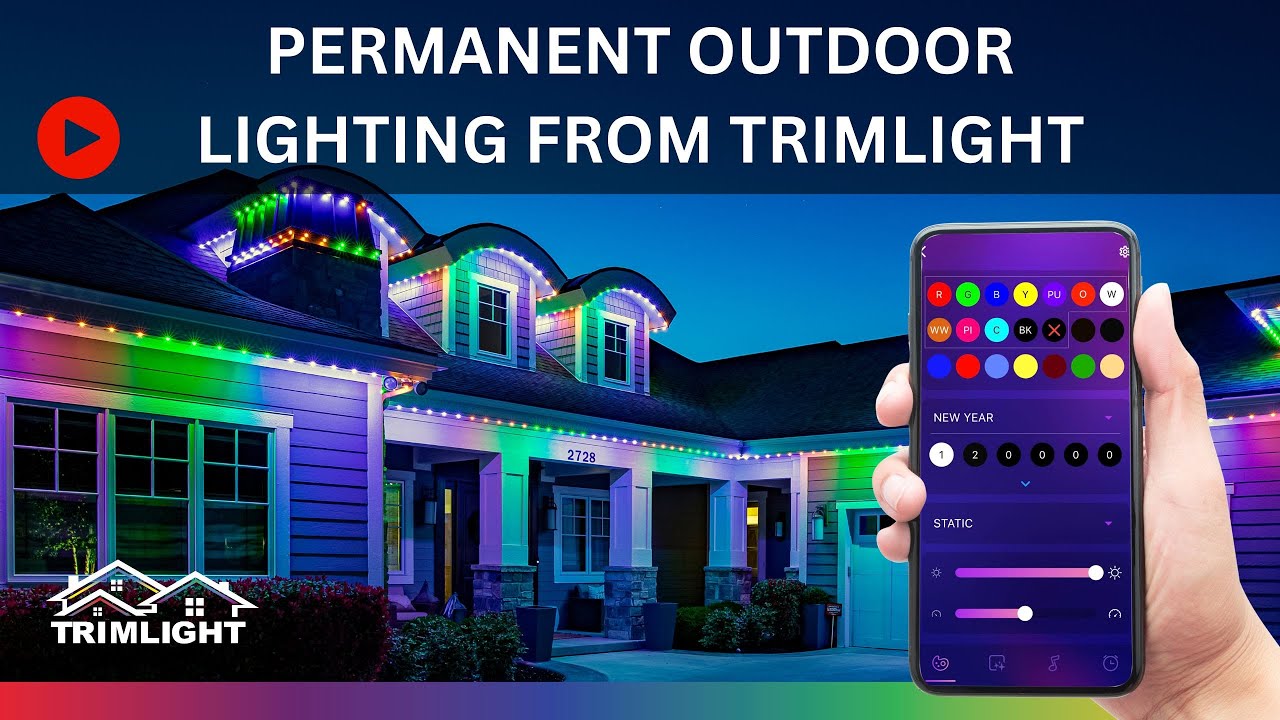
Permanent systems with app-based controls make this easier, however only if the installer or property owner requires time to program beneficial scenes. It aids to contend least one daily warm-white setup tuned particularly for typical evenings, not just a common factory preset. That setup could perform at a lower brightness on weekdays, with a somewhat brighter variation for weekends or entertaining.
The classic look is seldom the brightest setting. It is the one that feels balanced from the street, from the driveway, and from inside your house looking out.
Installation details that form the last look
An attractive lighting color can not rescue a careless mount. The craftsmanship behind the system determines whether the impact feels personalized or cobbled with each other. With Permanent LED Lighting Installation, placement is everything.
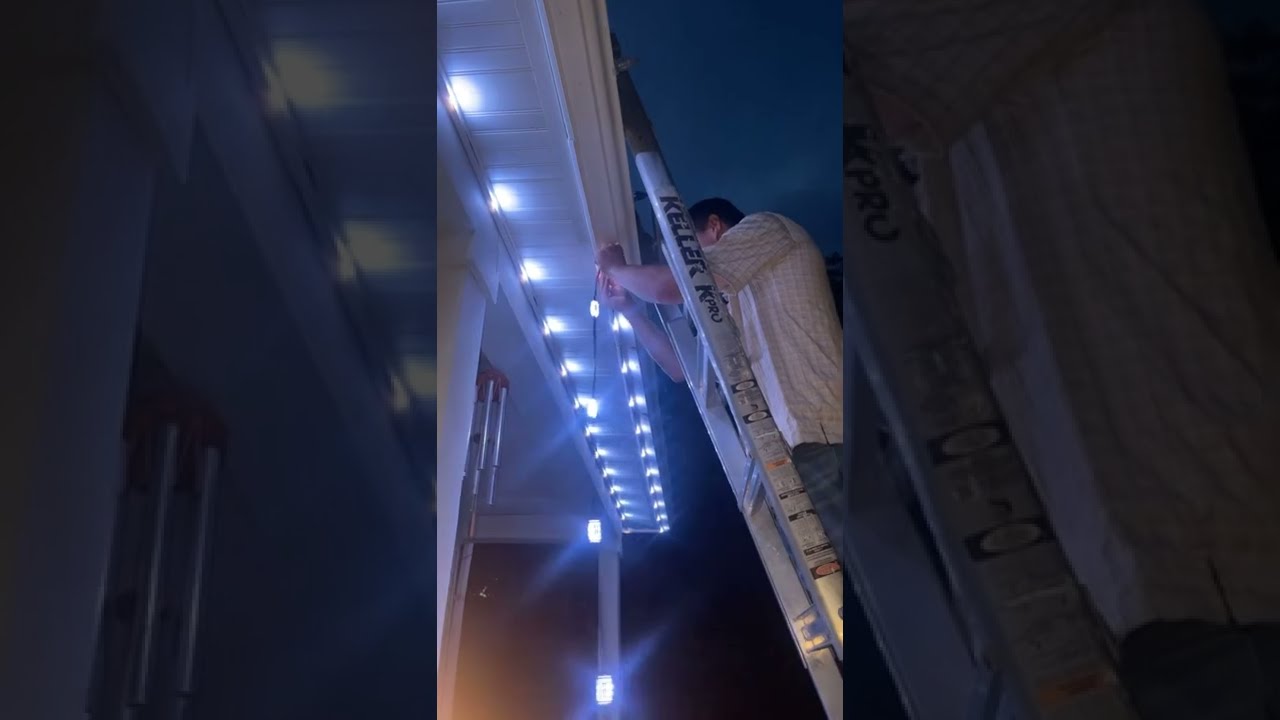
Under-soffit installing has a tendency to be the cleanest selection for numerous homes because it hides the equipment and guides the light in a regulated clean. Fascia installing can function well too, however it requires mindful planning to maintain the visual rhythm even. Spacing ought to respond to your house, not just adhere to a one-size-fits-all policy. Peaks, dormers, garage doors, gables, and shifts each change just how the light reads.
Wire monitoring matters greater than people assume. Throughout daytime hours, poor cable television transmitting is what hands out a rushed installment. House owners are paying for permanence, so the system must really feel developed right into the house rather than draped onto it. Clean lines, matched trim networks where required, and very discreet terminations all add to the high-end appearance.
There is also the matter of use. Irreversible does not mean untouchable. A well-installed system allows access for future maintenance without destructive coatings or calling for major disassembly. That is just one of those information house owners might not think of on day one, however they value it later.
Warm light and seasonal versatility can coexist
Some property owners stress that selecting a cozy daily visual will limit the fun of shade scenes later on. In truth, both enhance each other. A residence with a stylish baseline scene looks also better when it changes purposefully for holidays or occasions. The comparison offers seasonal programs more impact.
December is the most noticeable instance. Warm white can lug your home beautifully all period, either alone or combined with traditional red and green accents. It also pairs well with wreaths, garlands, all-natural greenery, and standard style. Cooler white frequently encounter those products unless the whole vacation style leans extremely modern.
For other events, shade can reoccur without transforming the permanent identification of your home. A sports-team scene on Friday evening, soft brownish-yellow for autumn, red-white-and-blue for a summertime holiday, then back to cozy white later. The home still feels grounded since the default look is stable.
That is one factor Permanent Vacation Lights have come to be extra enticing to property owners that when disliked the concept. The systems no more need to scream vacation. They can act like advanced architectural lights most of the year and change settings only when invited to.
Practical trade-offs homeowners need to know
Warm soft illumination is forgiving, however it is not magic. There are trade-offs, and it helps to recognize them before installation.
Very cozy setups can lose some clarity on residences with extremely bright white trim. If the home has a minimalist, nearly gallery-like layout language, a somewhat cleaner warm white may fit it better than a deeply brownish-yellow tone. Residences in thick areas might also need illumination adjusted carefully so the installation stays stylish and does not cast unneeded spill toward surrounding properties.
Another side instance is snow. In wintertime climates, snow reflects a great deal of light back onto the exterior. A setup that looks excellent in October might really feel brighter in January. That is not a problem in the system, just a tip that programmable scenes are important. Seasonal tweaks assist preserve the exact same visual mood throughout changing conditions.
Landscaping likewise changes the formula. Fully grown trees, bushes, and stonework can absorb or mirror even more light than expected. In some cases the best roofline shade needs buddy adjustments in path or uplighting so the overall scene feels systematic. Outside illumination functions best as a make-up. Long-term roofline lighting is one layer, not the whole performance.
Choosing an installer who understands restraint
Not every installer has the very same eye. Some are superb at the electrical and technical side yet push every home toward maximum illumination and optimum color since that is what sticks out in a demo. The far better experts understand when to draw back.
Ask to see completed tasks at night, not just images. Images can exaggerate illumination and squash shade. A live see informs you a lot more regarding the installer's taste. Focus on whether the lights enhance the homes or control them. Notice if the fixtures disappear throughout the day. Ask what the normal daily scene looks like for a lot of clients after the uniqueness uses off.
An excellent installer should be able to speak clearly regarding shade temperature, brightness control, placing approach, and scene programs without resorting to vague advertising language. They need to also be truthful when a house would benefit from a somewhat different warm tone than the property owner originally requested.
That sort of judgment is what separates a sales pitch from a layout service.
Keeping the system looking good over time
Permanent illumination ought to not end up being a set-it-and-forget-it eyesore. The good news is, upkeep is usually light if the system is mounted properly and the components are built for exterior use. A little interest goes a lengthy way.
A straightforward upkeep routine usually includes:
- checking seasonal scene schedules a few times a year rinsing or delicately cleansing noticeable trim and lenses when grime constructs up inspecting for storm damage after major weather events updating control software if the manufacturer suggests it confirming brightness levels still match adjustments in landscaping or paint color
Most of this takes minutes, not hours. The factor is not consistent tinkering. It is keeping the discussion intentional. If the home gets repainted, if brand-new trees go in, or if the family recognizes the lights run behind they favor, small changes preserve the polished look.
Why the classic appearance has remaining power
The finest outside selections generally borrow from the very same principle: if something flatters the home itself, it lasts. If it depends upon novelty, it dates rapidly. Warm soft lights flatters the home. It highlights form, appearance, and percentage without forcing a pattern onto the architecture.
That is why Classic Cozy Soft Lights remain to appeal even as illumination systems end up being more advanced. Individuals might enjoy the app controls, the scheduling, and the capacity to change to shade for special events, however the look they go back to night after evening is the easy one. Cozy. Well balanced. Comfy. Stylish without effort.
For property owners thinking about a Permanent LED Illumination Installation, that is the conventional worth going for. Not the brightest scene, not the most dramatic demo, and not the one that obtains the largest reaction for five mins. The best choice is the look that still feels great after the guests leave, after the period changes, and after the system becomes part of day-to-day life.
A residence lit in soft warm tones really feels worked out. It looks taken care of. It welcomes people in. And unlike many layout decisions connected to a particular moment, it has a tendency to age gracefully. That is rare enough to matter.